
In March 2003, the Homeland Security Act created the Bureau of Immigration and Customs Enforcement, now known as ICE. The organization underwent significant changes since that time, none bigger than during its last year of operation with President Donald Trump’s signature legislation, the “One Big Beautiful Bill Act.”
“The legislation essentially doubled annual Homeland Security funding, adding $170 billion to be used over four years,” states an Associated Press report. “Of that, ICE, which typically receives about $10 billion a year, was provided $30 billion for operations and $45 billion for detention facilities.”
One of the Trump’s top policies when running his campaign for his recent election, was enforcing ICE more strictly for border control reasons. Those reasons include detaining and deporting immigrants who have been living in the U.S. illegally. According to a report in the New York Times, deportations of people arrested by ICE within the country in the first year of Trump’s terms reached 230,000. The report said the number of deportations in general — including those from the border — reached 540,000. In that time, the efforts by ICE to arrest and deport individuals within the country sparked controversy over the morality and legality of deportations as well as the several instances of violence during arrests.
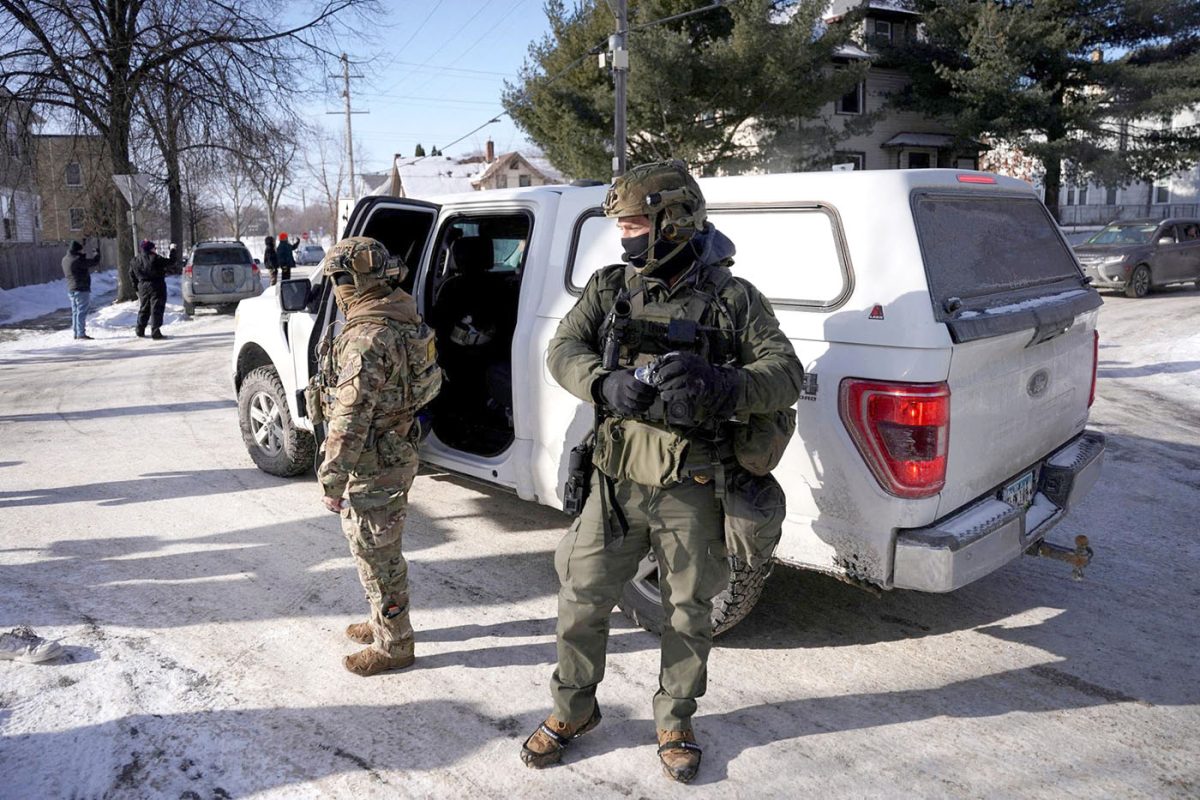
Earlier this year ICE and the Customs and Border Protection Agency rooted their efforts firmly in Minneapolis for “Operation Metro Surge,” where 3,000 agents arrived in the city. The departments’ actions in Minnesota were incredibly controversial, as US citizens Renee Good and Alex Pretti were both shot and killed during altercations with agents. On Jan. 7, Good was shot and killed, in her vehicle, by an ICE agent in Minneapolis outside her home. Shortly after, Pretti was also shot and killed by an agent on Jan. 24. Both cases have sparked outrage from critics of ICE actions.
While some argue for the necessity of ICE to protect the nation, others are highly opposed to the potentially questionable methods of deportation that not only affects immigrants, but also their children and grandchildren.