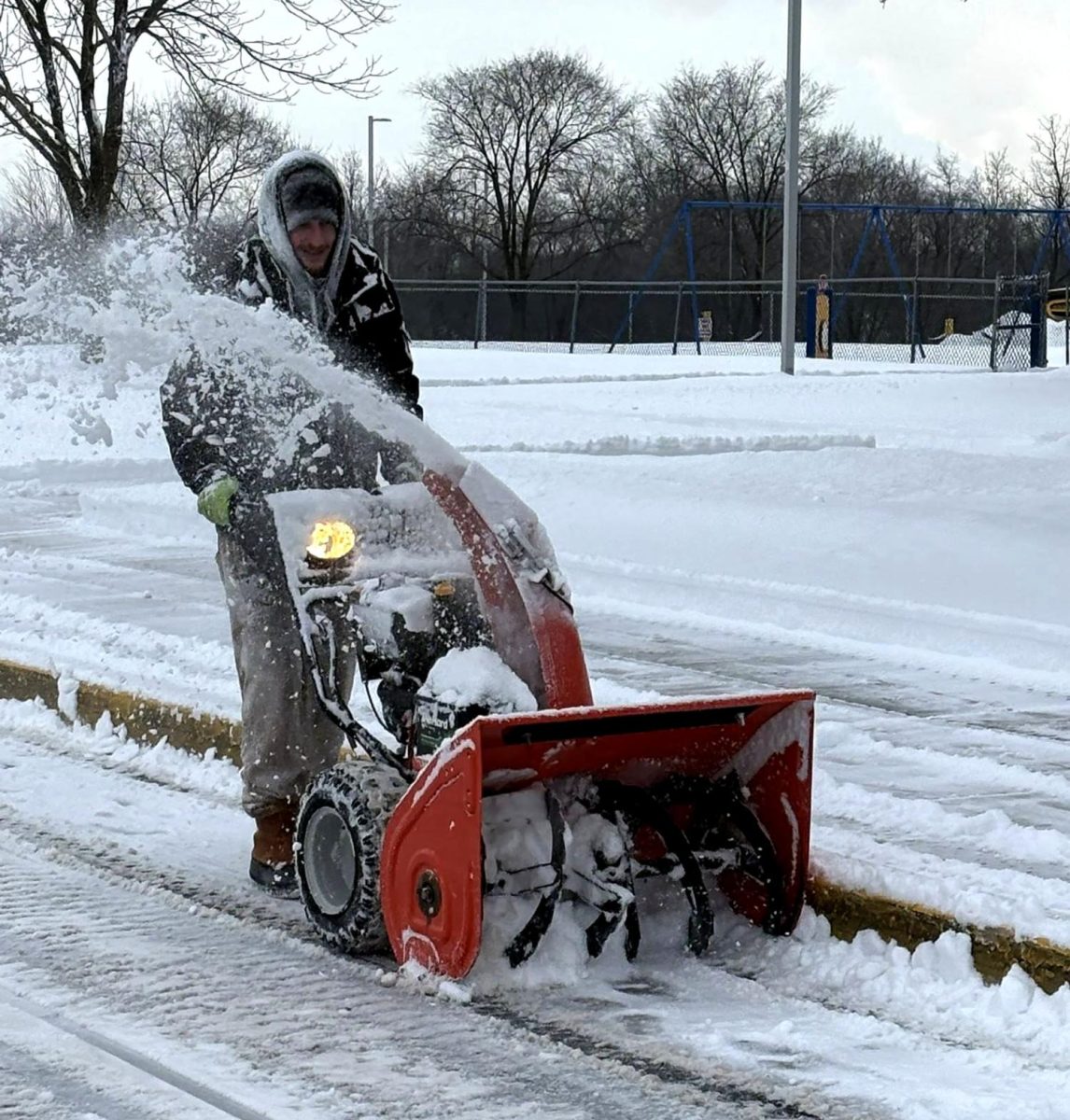
On the morning of Jan. 25, many in the Spring-Ford school district looked outside their windows to find nearly a foot of snow and ice awaiting them.
While falling short of previous estimates of up to 18 inches, CBS Philly reported snowfall of 10.4-11.5 inches in Phoenixville, Norristown, and Collegeville.
The Monday following the storm, Jan. 26, Spring-Ford announced a traditional snow day for students for the first time since the COVID-19 pandemic shutdown, which some students hope sets a precedent for more traditional snow days in the future. This was followed by a flexible instruction day Jan. 27 due to the icy conditions created by the storm. Spring-Ford had another flexible instruction day Feb. 23.
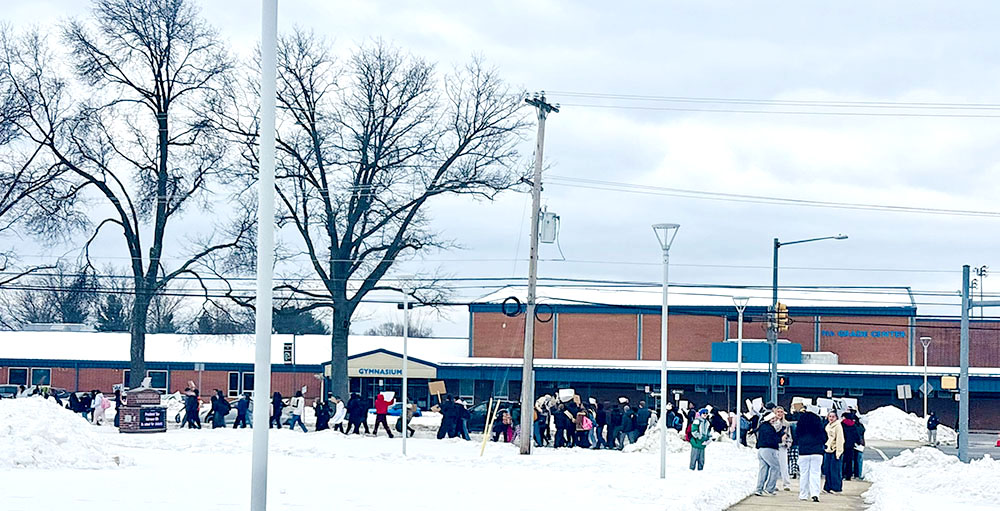
While we did see a couple inches of snow in December and early January, this snowfall marked the most snow in the Philadelphia area since January 2016. The consistently frigid temperatures, with some days hitting single digits, maintained a thick layer of snow outside of Spring-Ford schools.
According to the Philadelphia Inquirer, Philadelphia logged 36 days of snow cover of at least one inch this season, including 23 consecutive days after the Jan. 25 snowfall.
While the snow made the most accumulation Jan. 25, what could not be seen from the comfort of a heated home was the concoction of rain, sleet, and snow that turned everyone’s yards into an ice skating rink overnight. As many found out when trying to shovel driveways or go sledding, is that much of the so-called snow was actually large chunks of ice. This was because this snowstorm was actually what is called a “Nor’easter.”
According to the National Weather Service, the difference in temperature between warm air blowing from the Gulf of Mexico and polar air coming in from the Arctic causes a cyclone of rain, snow, and heavy winds primarily in the east coast of the United States, hence the appropriately named Nor’easters. This specific type of storm is to blame for the last major snowfall Philadelphia had in 2016, as well as the infamous blizzard in 1996. Despite developing into a Nor’easter, the snowstorm affected over 20 states and 2,000 miles of the United States.
Mother Nature was not finished blanketing the area with snow after the Nor’easter, dropping an additional 8 inches of snow on Royersford on Feb. 23.